Play has the fundamental characteristics that may be contribute to the role in the very development of civilisation. The cultural anthropologist, Johan Huizinga (1933) theorised that culture provide an avenue for inquiry into the creative quality and principle of play. Chris Crawford (1982) explained Huizinga’s theory by dividing the features of games into representation, interaction, conflict and safety. He further elaborates that the real world consequences such as game-affected behaviour, time consuming play and in game communications, constitute to the representation of self or society, the interaction between players, conflict that may happen in-game and safety concerns while playing the game or post-game affect. The principle of play may have contributed to the players attraction to particular games genre based on the real world culture in their ordinary life.
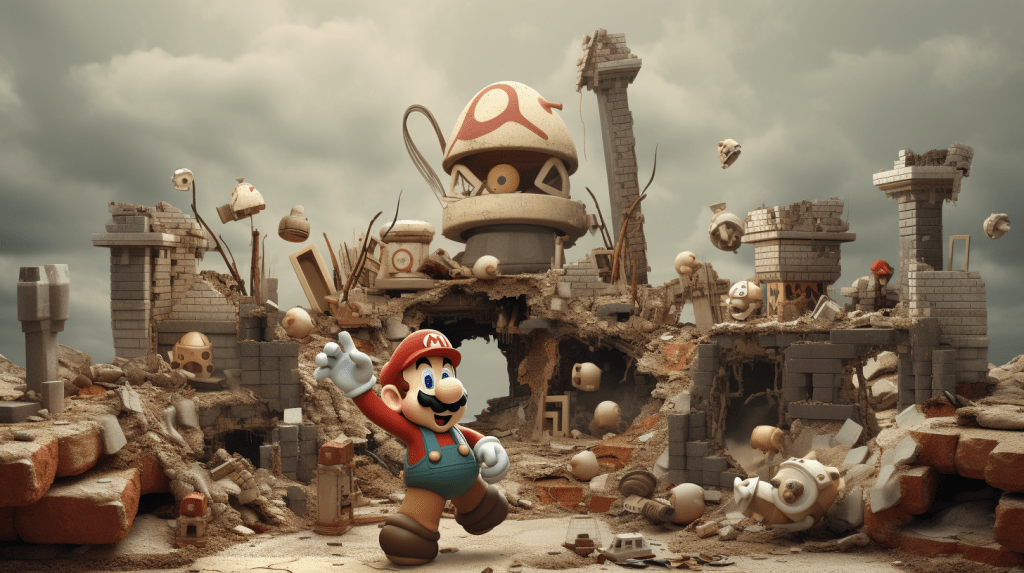
Attraction to games may be contributed from the players’ intended boundary of time and space. Jesper Juul (2011) compares several game theories and recommends sensation, fantasy, narrative, challenge, fellowship, discovery, expansion and submission as qualities that attract people to games. Henry Jenkins (2005) previously amplifies that game playing represents new lively art and aesthetic experience which contributes to the players formation of social groups. This can be seen in the online fan cultures in games such as the Sonic The Hedgehog movie franchise, Genshin’s dress-up and the Pokemon’s location based immersive gameplay. We will explore the games and their socio-cultural contexts in future posts.
References
Crawford, C. (1984). The art of computer game design.
Huizinga, J. (1933). Homo ludens ils 86. Routledge.
Jenkins, H. (2005). Games, the new lively art. Handbook of computer game studies, 175-189.
Juul, J. (2011). Half-real: Video games between real rules and fictional worlds. MIT press.
 Visual Epistemology
Leave a comment